


 Canadian Company



 Sign In
 Home
Home 
 About Us
 How to order
 Products


Caffeine in cosmetics
By Canada Cloud Pharmacy | Published Saturday 10 July 2021
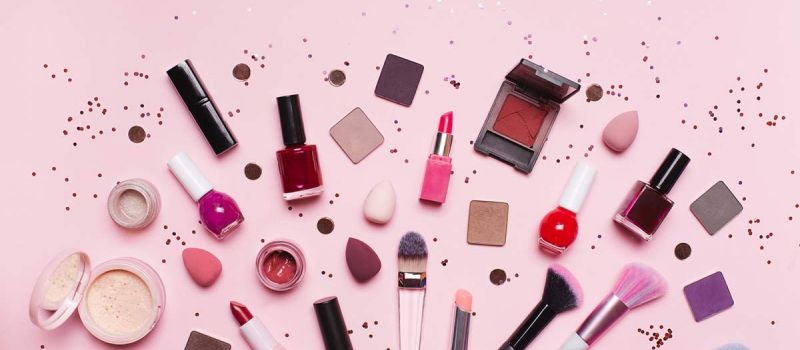
Caffeine is abundantly found in coffee, tea, colas, and other beverages. Sipping a cup of coffee to get active or stay alert while driving is common. In addition to the stimulant effects of caffeine, it also has good use in skin cosmetics. As you walk down the cosmetics aisles of a superstore, you may notice caffeine as an important ingredient listed on the skincare creams. Interestingly, caffeine has beneficial effects on the skin and is being used in skin and hair care cosmetics.
Caffeine’s entry into the skin
Skin penetration is the key to the cosmetic use of any ingredient. Caffeine shows an easy passage through the skin. Several studies show that caffeine has maximum absorption through the human skin after its local application on the skin.
Caffeine in skin cosmetics
The following are the different mechanisms of caffeine that makes it a good candidate as a skin cosmetic ingredient:
Caffeine as an anti-cellulite:
Cellulite or gynoid lipodystrophy is a condition that occurs on the skin of the thighs and buttocks, in which the area appears bumpy like an orange peel. The situation is manifested by complex processes involving the lymphatic and microcirculatory system that causes excess fat from the subcutaneous area to penetrate the dermis. Caffeine shows an anti-cellulite effect through the mechanisms listed below:
-
Acts on cellular processes and initiate lipolysis.
-
Activates degradation of triglycerides.
-
Stimulates the drainage of lymph that contains the toxic products from lipolysis and improves microcirculation.
-
Releases the excess fat from the skin.
Effect on the microcirculation of blood
Studies indicate caffeine improves microcirculation of blood and helps in reducing the hip and thigh circumference in women. A 7% caffeine gel reduces eye puffiness by reducing the swelling around the eye.
Caffeine as an antioxidant
Caffeine protects the skin from oxidative stress by the following mechanisms:
-
Adding caffeine to sunscreen preparations improves the UV protective activity of the preparation.
-
Caffeine also helps in a process that removes the UV-damaged cells in the skin before they transform into cancerous cells. Thus, caffeine added to skin cosmetics can provide cancer-protective action.
-
Caffeine also interferes with molecular mechanisms that cause skin aging due to UV radiations. Therefore, it can be an important component of anti-aging preparations.
Caffeine as a hair growth stimulant
Dihydrotestosterone (DHT), a sex hormone that damages hair follicles. Men and women with an excess of DHT experience hair loss. Caffeine blocks the effect of DHT. It also stimulates hair elongation and wider hair roots. Caffeine also increases blood circulation to hair follicles.
Caffeine has an excellent skin penetration ability. Cosmetic formulations of caffeine in gels, creams, microspheres in suspensions, or nanoemulsions can further enhance its penetration through the skin. Caffeine is widely used in personal care and cosmetic formulations owing to its anti-cellulite and antioxidant activity. Furthermore, its anti-aging effect and UV protective action make it a perfect candidate for skincare cosmetics.